
WHAT WE OFFER
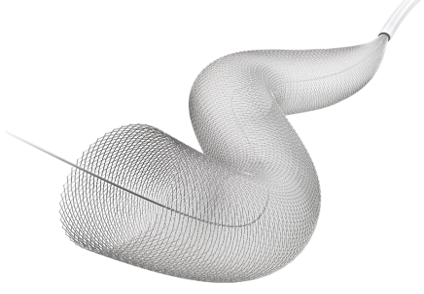
Flow Diverters
-
We provide a full range of approved flow diverters for the treatment of wide-neck and complex aneurysms. These devices redirect blood flow away from the aneurysm, promoting natural vessel healing. All of our physicians are certified proctors and among the first in Canada to use new-generation flow diverters through ongoing clinical trials. Patients may be eligible to participate in these trials—please inform patients to inquire during consultation.
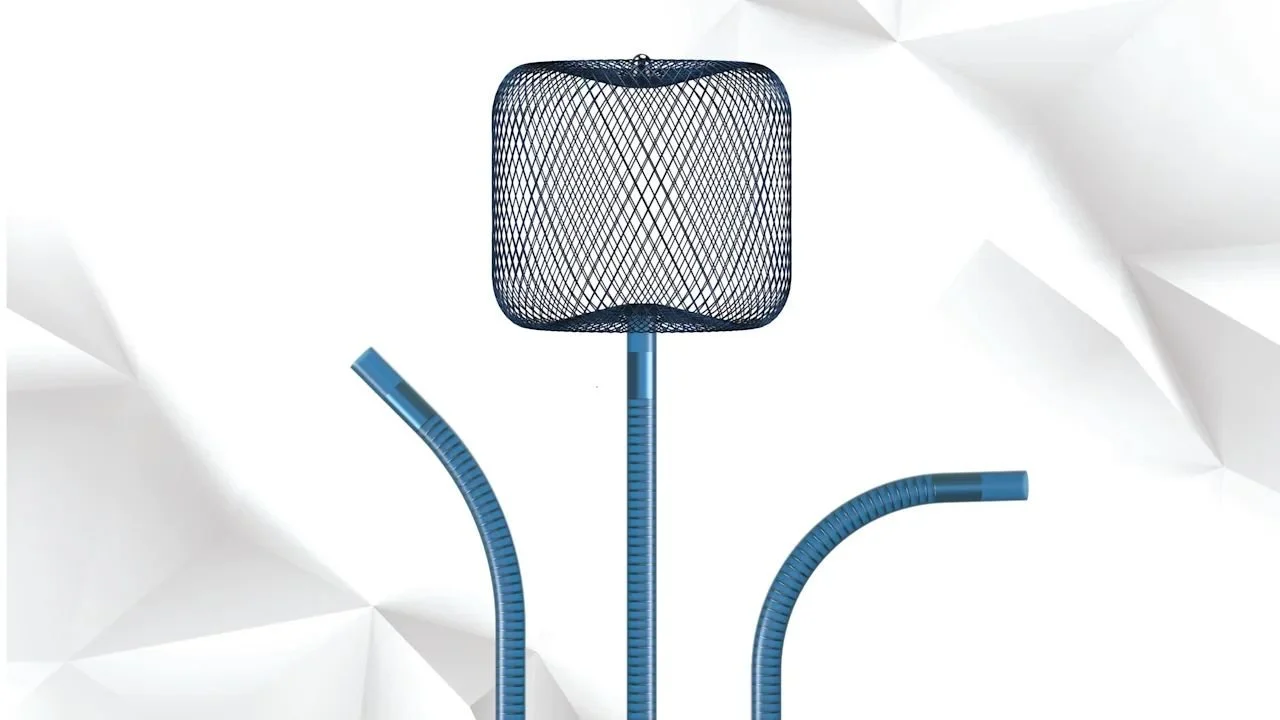
Intrasaccular devices
-
Our center offers intrasaccular flow disruption devices such as the Woven EndoBridge (WEB) device, which are designed to treat bifurcation and wide-neck aneurysms without the need for stents or dual antiplatelet therapy. This minimally invasive approach can reduce recovery time and procedural risk while maintaining long-term efficacy.
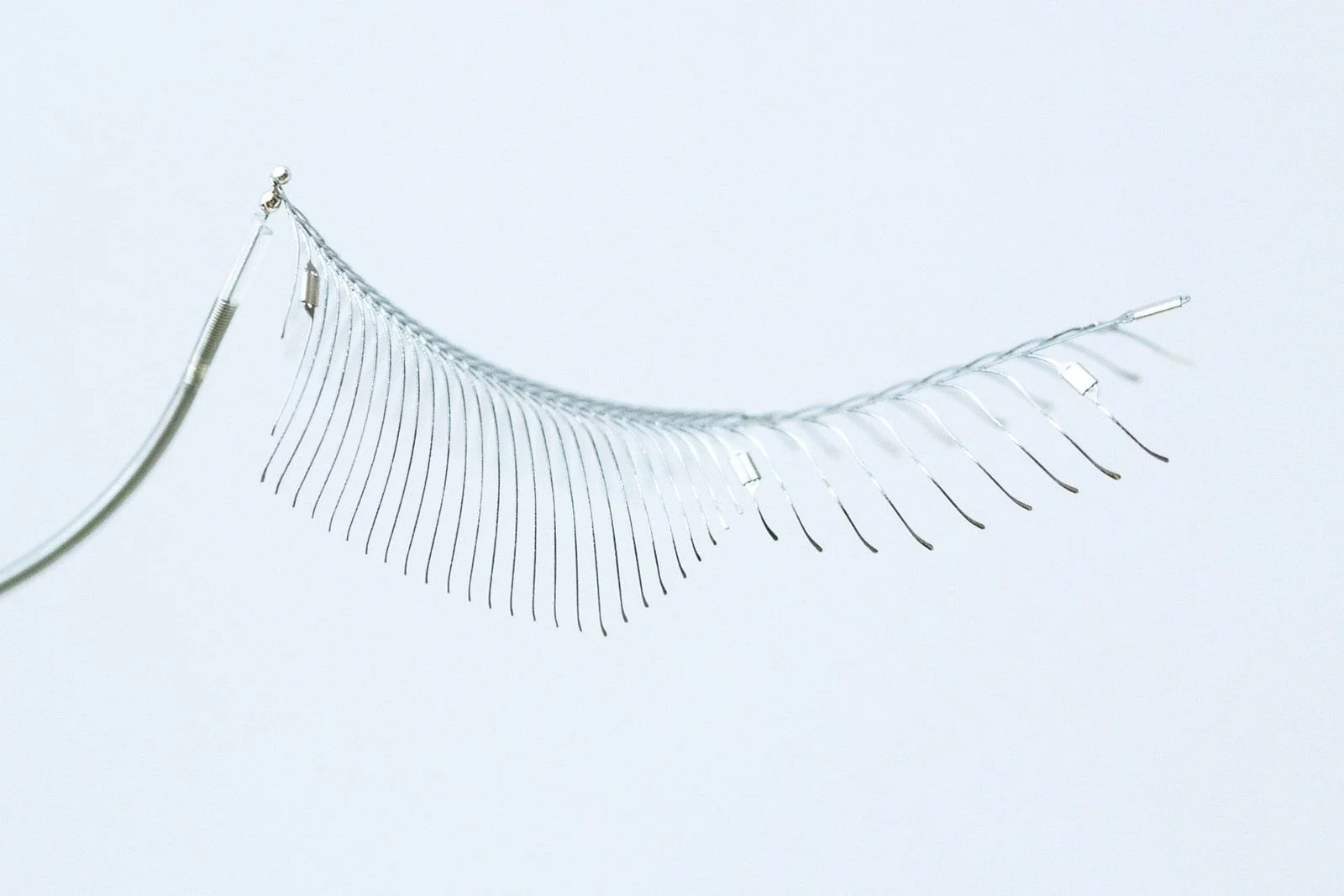
BifuRcation Devices
-
We use advanced coiling techniques, including stent-assisted and balloon-assisted coiling, to treat a wide range of brain aneurysms. These approaches allow for secure placement of coils in complex or wide-neck aneurysms while preserving normal blood flow through the parent vessel.
Advanced imaging and tailored techniques
-
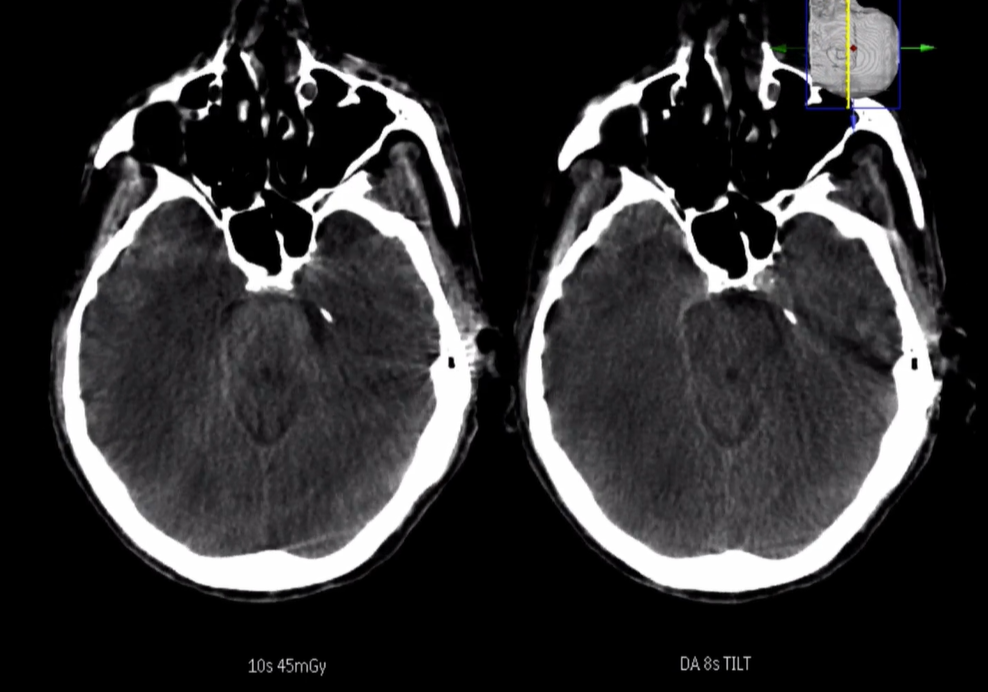
For fusiform, dissecting, and large aneurysms, we use state-of-the-art imaging and planning tools to design individualized treatment strategies. Our centre is the only hospital in the country using Optical Coherence Tomography (OCT) for intracranial procedures, enabling detailed visualization of the vessel wall. Complementary modalities such as advanced MRI, Dyna CT, and cone beam CT further support precise planning and safe, accurate treatment delivery.
Coiling
-
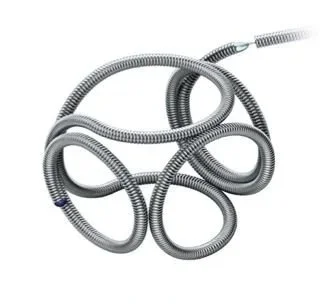
Coiling is a minimally invasive endovascular technique used to treat brain aneurysms by filling the aneurysm with tiny platinum coils to block blood flow and reduce the risk of rupture. For wide-neck or complex aneurysms, stent-assisted or balloon-assisted coiling may be used to help keep the coils securely in place while preserving normal blood flow through the artery. These techniques allow for precise, safe treatment tailored to the aneurysm’s anatomy.